Editorial debt in the CMS – the hidden problem in TYPO3 relaunches
Every developer is familiar with technical debt. But what happens when editors are forced to work around the CMS? We shed light on an underestimated problem that can become a costly trap during relaunches.
What is editorial debt?
Technical debt arises when developers work under time pressure or deliberately make compromises. The result: code that works, but causes problems in the long run. However, there's a counterpart in the content world that's often overlooked: editorial debt.
Editorial debt always arises when the CMS can't meet the editorial team's requirements. The content still needs to be published somehow. So, creative workarounds are found that work in the short term, but cause massive problems in the long run.
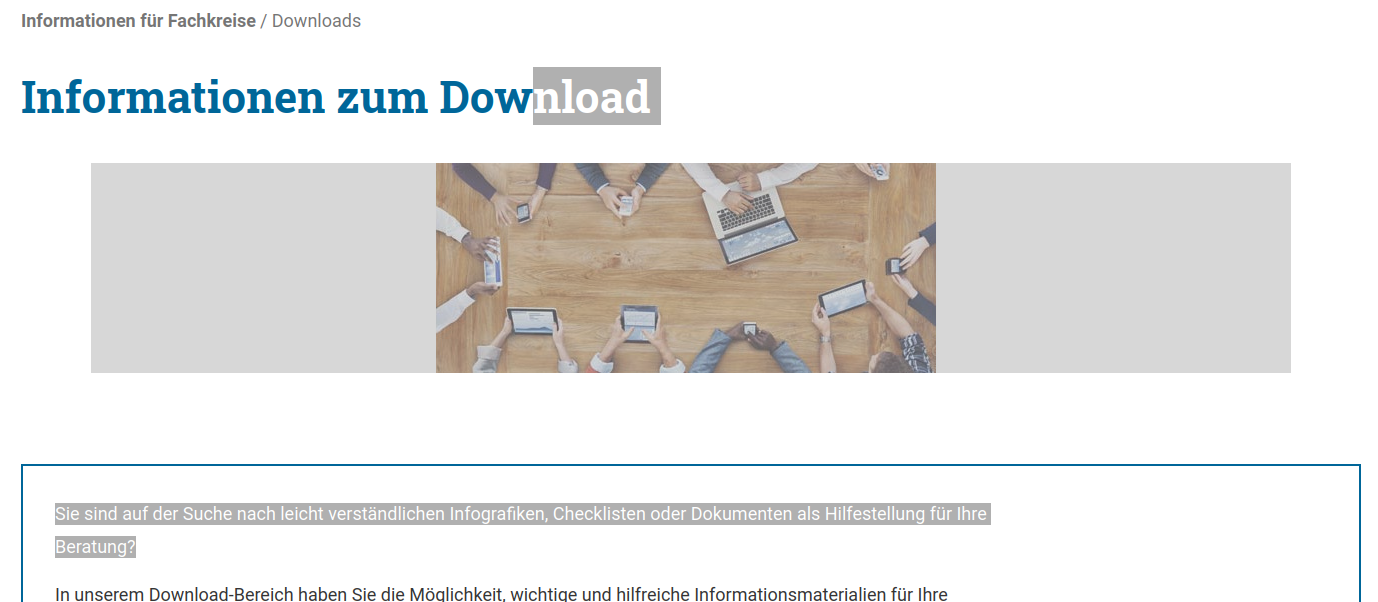
A classic example from practice: An image needs to be displayed centered. The CMS doesn't offer this option. So, the image is cropped with white space on the left and right in an image editing program – and the "centering" is complete. It works perfectly until the relaunch and hundreds of such manipulated images have to be manually edited (or until the page is viewed on a mobile device).
The most common editorial debts in TYPO3
In over 20 years of TYPO3 experience, we've seen the same patterns time and again. The list is long and often hair-raising:
Layout workarounds that later become a trap:
- Images with built-in whitespace to simulate centering or specific spacing
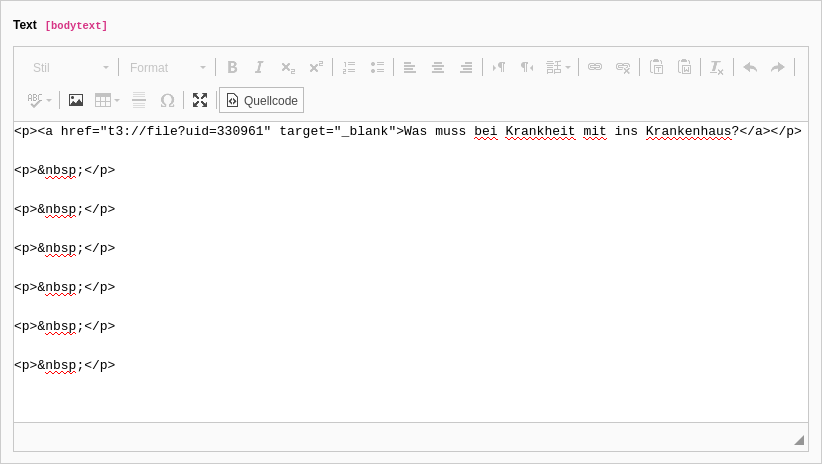
- Blank lines in the rich text editor to create space before or after elements
- Multiple non-breaking spaces in the text to create horizontal spacing
- Multiple nested grid elements to display what should actually be a simple table
Structural shortcuts with long-term consequences:
- H1-H5 headings used solely for aesthetic reasons rather than for their semantic structure
- Text embedded directly into images because the CMS lacks a suitable rendering option
- Images in the RTE instead of structured image content elements
- Tables misused in the RTE for layout purposes
TYPO3-specific topics:
- Retaining deactivated pages or page content for years
- Linking to other pages in TYPO3 as external links
HTML abuse as a last resort:
- HTML content elements for integrating third-party elements (newsletter signup/unsubscribe, cookie modal, Matomo opt-out)
- HTML content elements for manipulating the page layout (color changes, custom spacing, etc.)
- Inline styles wherever the default design isn't suitable
Why editorial debt becomes a problem
The day of reckoning arrives at the latest with the next relaunch. What has "sort of worked" for years suddenly turns into a massive problem. Migrating old content to the new system becomes a nightmare.
Images with built-in whitespace no longer fit the responsive layout. Heading hierarchies are messed up because H2 was chosen simply to make the font appear larger. HTML code snippets no longer work because class names or the underlying framework have changed. Nested grids collapse on mobile devices.
The consequences are costly: Either each page has to be addressed individually—a manual process that can take days or weeks. Or complex migration scripts have to be developed that attempt to automatically detect and resolve the various workarounds. Both options cost time and therefore money.
But it gets worse: Editorial oversights also negatively impact quality during operation. Incorrect heading structures harm SEO rankings. Images with embedded text are not accessible and cannot be translated. HTML hacks make the website vulnerable to security breaches and break during browser updates.
Why do editorial debts arise in the first place?
The cause rarely lies with the editors themselves. Most often, the problem arises from a communication gap between the editorial team and the development team. The editorial team has a specific requirement – for example, a two-column layout for a particular text section. The CMS doesn't offer this option.
Now there are two scenarios: Ideally, the requirement is communicated to the development team, prioritized, and then implemented cleanly. However, this takes time – and time is often a scarce commodity in the editorial department. The content needs to be published today, not in three weeks.
So, improvisation ensues. An HTML content element with some Bootstrap code here, a few nested grid elements there – and it works. The editorial team is happy, the development team remains unaware, and the technical debt grows unseen.
The solution: Communication on equal terms
Editorial debt can be avoided when editorial and development teams work closely together. This doesn't mean that every small adjustment has to be implemented immediately. But it does require a structured process for gathering requirements, prioritizing them, and implementing them promptly.
At in2code, we rely on regular content reviews with our clients. Together, we examine the content and identify areas where the editorial team is working against the system instead of with it. These insights are then incorporated into the system's further development.
Modern TYPO3 installations now offer enormous flexibility through custom content elements and structured content. A two-column layout? A content element with the appropriate configuration. A specific call-to-action block? A dedicated content element with all the necessary fields. Newsletter signup? A clean extension instead of HTML tinkering.
It's also important to communicate to editors the long-term costs of workarounds. This doesn't mean blaming them—but rather understanding together that what seems like a quick fix today can become a problem tomorrow.
Do you know your editorial debts?
With every relaunch we manage, we begin with a content audit. We systematically analyze the types of editorial debt that have accumulated over the years. This analysis is invaluable because it reveals where migration will be complex and where the new system needs to offer improvements.
If you're planning a TYPO3 relaunch or feel your editors are facing too many detours, get in touch. Together, we'll identify the editorial debt in your system and develop a plan for how the new system can cleanly address these requirements.
Tip: Conduct a quarterly spot check. Observe which content elements your editors use regularly. If HTML content elements keep creeping in, you might have a problem!
Do you need support analyzing your editorial debt or are you planning a TYPO3 relaunch? I'd be happy to advise you.

![[Translate to English:]](/fileadmin/_processed_/c/b/csm_seo-search-engine-optimization-2025-06-05-13-10-44-utc_208cc50996.jpg "[Translate to English:]")